This article contains affiliate links. If you buy through them we may earn a commission at no extra cost to you.
By Editorial Team · Updated 2026-07-14 · 9 min read

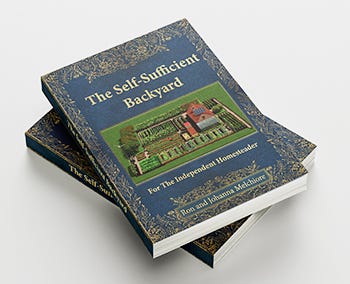
If you want to become more self-reliant but feel overwhelmed by the sheer amount of conflicting advice online, The Self Sufficient Backyard claims to offer a clear, step-by-step plan. This guide is designed to help homeowners plan and build a productive backyard that produces food, water, and energy.
But is it the right resource for your situation? This buyers guide unpacks what the program actually covers, where buyers commonly feel it falls short, and how to decide if it's worth your money. We answer the core question honestly: is The Self Sufficient Backyard worth buying for a beginner, or does it suit a more experienced homesteader?
Key Takeaways
- The Self Sufficient Backyard is a digital guide focused on long-term planning and infrastructure, not quick gardening tips — it works best if you have space (quarter acre or more) and are ready for a year or more of setup.
- Several buyers report the material is more conceptual than actionable; if you need precise plant-by-plant instructions or a weekly to-do calendar, you may want to supplement it with a season-specific guide.
- The greatest value is in the overarching systems thinking (water catchment, food forest design, energy independence). It helps you see the big picture before you start digging or buying supplies.
On this page
- Why people regret their choice
- Key decision criteria explained
- Current market notes for 2026
- Questions to ask yourself before buying
- Warning signs the guide might not fit you
- Comparison table vs. other resources
- Recommendation by budget and situation
- How to maximize your purchase
- Frequently Asked Questions
Why Some People Regret Buying The Self Sufficient Backyard
Reading through user reviews and forum discussions reveals a consistent pattern. The main complaint isn't that the content is bad — it's that the guide doesn't match expectations. People who hoped for a simple "plant these rows, harvest in 60 days" guide are often disappointed.
The guide leans heavily toward infrastructure: building raised beds, installing rainwater catchment systems, wiring small solar panels, and designing a food forest that matures over years. If you have one weekend to spend and want instant results, this isn't that.
Another frequent regret is that the PDF version (which is how most people access it) is dense and text-heavy. There are diagrams, but not the high-resolution photographs some expect. Buyers accustomed to glossy modern cookbooks or YouTube tutorials often find the layout overwhelming.
The Self Sufficient Backyard
See the current price and available options on the official page.
Check The Self Sufficient Backyard Price →Key Decision Criteria: What This Guide Actually Offers
Related Reading: Free PlayStation Gift Cards in Practice - What Extended Use Looks Like
To make an informed choice, you need to judge The Self Sufficient Backyard against what it promises — not what you hope it is. Here are the crucial criteria:
Scope and Depth
The guide covers water, food, energy, and waste management in one system. It doesn't dive deep into any single topic. You'll get a solid overview of designing a self-sufficient property, but you'll likely need to research specific techniques (like seed starting or solar panel sizing) elsewhere.
Format and Readability
It's a digital PDF (180+ pages) with black-and-white diagrams and text. There is no video component, no interactive tools, and no app. If you prefer learning by watching, this format requires more effort.
Actionability
The guide gives you a framework — zones of a property, what to plant where, and rough timelines. But it does not provide a day-by-day schedule. For example, it tells you to "plant a three-season vegetable garden" but doesn't list which varieties do best in zone 6 or 7.
Long-term Perspective
This is where the guide truly shines. It emphasizes perennial food systems (fruit trees, berry bushes, nut trees) and soil building — things that take years to pay off but create real food security. If you're thinking in decades, not weekends, this aligns.
Current Market Notes for 2026
The Self Sufficient Backyard was released in 2020 and has seen periodic updates. As of mid-2026, the version available includes updated solar panel recommendations and newer water filtration options. However, the core philosophy and layout remain unchanged from the original release.
There is now more competition. Free YouTube channels (like Edible Acres or Parkrose Permaculture) offer step-by-step video tutorials for zero cost. Meanwhile, premium courses like "The Permaculture Design Manual" are more expensive but far more comprehensive. The Self Sufficient Backyard sits in the middle — a one-time purchase that's cheaper than a full course but more structured than free content.
The price (typically around $37–$47 depending on any active discounts) hasn't fluctuated wildly. It's sold through a standard affiliate funnel, so you may see a "bonus" offer at checkout. These bonuses are usually additional PDFs (e.g., a companion planting chart). They can be useful, but they are not core to the main guide.
Questions to Ask Before You Click Buy
Related Reading: Before You Trust Brainamp Reviews - What to Check First
Answer these honestly. They will tell you if this guide is a fit or a waste of money.
- Do I own at least a quarter acre of land I can dedicate to food production? If you only have a small balcony or a 10x10 plot, the guide's scale will frustrate you.
- Am I willing to read and plan for several weeks before doing any work? This is a read-first, act-later resource.
- Do I want to grow food in a way that mimics natural ecosystems (food forests, swales, perennial beds)? That's the core philosophy here.
- Am I comfortable with technology set-ups (solar wiring, plumbing for rain barrels)? The energy and water sections assume basic DIY skills.
- Can I commit to a multi-year plan? The guide expects you to build gradually, not all at once.
- Do I already have access to quality free resources on gardening alone? If you already know how to grow tomatoes, this can fill gaps in your systems knowledge.
Warning Signs This Guide Might Not Be Right for You
Some warning signs are clear. If you fall into any of these categories, consider another resource:
- You want a seasonal planting calendar for your specific USDA zone. The guide doesn't offer zone-specific data; it's a general North American framework.
- You prefer video learning or step-by-step photographs. The PDF is dense text with simple line drawings. No photo tutorials are included.
- You're on a very tight budget. The guide assumes you can invest in materials (soil, lumber, irrigation pipes, solar panels). If you need a strictly no-cost approach, look for free resources.
- You want to grow food in containers on a patio. The guide focuses on in-ground systems and large-scale raised beds. Container gardening is barely mentioned.
The Self Sufficient Backyard vs. Other Resources
Related Reading: IPTV Abonnement Complete Guide: Everything You Need to Know
| Feature | The Self Sufficient Backyard | Free YouTube Channels | Permaculture Design Manual |
|---|---|---|---|
| Price | ~$37–$47 one-time | Free (ads) | ~$60–$100 |
| Format | PDF (text + diagrams) | Video | Book (physical or PDF) |
| Scope | Complete property systems | Varies; often single-topic | Deep permaculture theory |
| Best for | Planning a whole property from scratch | Visual learners, specific how-tos | Serious permaculture students |
| Actionability | Framework, not daily instructions | High (step-by-step in each video) | Moderate (theoretical with examples) |
Recommendation by Budget and Situation
If you have $40 and own at least a quarter acre, and you want a structured overview of how to make it self-sufficient: The Self Sufficient Backyard is likely worth the price. It will give you a mental map of where to start, what to build in year one versus year three, and how all the pieces fit together.
If you have $0 and just want to grow a few vegetables in containers: Skip it and use free resources. You don't need the systems thinking yet.
If you have $100 and want deep permaculture knowledge: Buy a used copy of Bill Mollison's Permaculture: A Designers' Manual instead, or take an online PDC (Permaculture Design Certificate) course. The Self Sufficient Backyard is a simplified version of that larger body of work.
If you're somewhere in between: Use the official page to check the current offer for The Self Sufficient Backyard and see if any bonuses (like the companion planting guide) add enough value for your specific needs.

How to Maximize Your Purchase
If you decide to buy, don't just download the PDF and let it sit. Use this four-step plan to get real value:
- Read the entire section on property assessment first. Before you buy a single seed or lumber, diagram your own yard. Note sun angles, water flow, and existing trees. This is the most useful exercise in the guide.
- Create a two-year timeline. The guide suggests what to do year one (establish soil, start annual garden) and year two (plant perennials, build water systems). Write it down and stick it on your wall.
- Supplement with free video tutorials for the steps you find confusing. For example, the guide explains how to build a swale conceptually, but you'll likely need a YouTube video to see the actual digging and grading process.
- Join a local gardening or permaculture group. The guide can't tell you what grows well in your microclimate. Local knowledge fills that gap.
The Verdict
The Self Sufficient Backyard is right for homeowners with space who want a big-picture plan to achieve true independence over several years. It is not right for impatient beginners or anyone working with a tiny lot — for them, a free YouTube playlist is a better first step.
Explore The Self Sufficient Backyard Offer →This link goes to the seller's official page. If you buy through it we may earn a commission at no additional cost to you. Our assessment is written independently.
Frequently Asked Questions
What exactly is included in The Self Sufficient Backyard PDF?
The main product is a digital PDF of about 180 pages. It covers seven sections: property assessment, water systems, food production (annual and perennial), energy (solar and wind basics), waste management, tool selection, and a year-by-year implementation timeline. Some purchase funnels include bonus PDFs like a companion planting chart or a seasonal task checklist, but these vary depending on the current promotion.
Is The Self Sufficient Backyard worth the money for a complete beginner?
It depends on your definition of beginner. If you've never grown a single plant, this guide may feel overwhelming because it assumes you can follow general gardening instructions without hand-holding. However, if you are a motivated beginner willing to do extra research on specific techniques (like seed starting or soil testing), the framework is solid. Most beginners would benefit more from a local extension service guide or a free online course first.
Can I use The Self Sufficient Backyard if I don't own land?
Not effectively. The guide is written for people who own or lease at least a quarter acre of land. It discusses large-scale infrastructure like rainwater cisterns, food forests, and solar arrays. If you only have a balcony or small patio, the book The Urban Homestead or a container gardening guide would serve you much better.
Does The Self Sufficient Backyard cover how to grow vegetables specifically?
Yes, but not in depth. The vegetable section covers planning a three-season annual garden, crop rotation basics, and companion planting principles. It does not provide a detailed month-by-month planting calendar for your specific region. For that, a regional gardening book (like The Vegetable Gardeners Bible for your zone) is a better companion.
Is there a physical book version of The Self Sufficient Backyard?
No. The Self Sufficient Backyard is only available as a digital PDF download. There is no printed book offered by the creator. Some third-party sellers may list used copies on eBay or similar sites, but those are unauthorized reproductions and may be incomplete or of poor quality.
What do most buyers complain about in The Self Sufficient Backyard reviews?
The most common complaints are (1) the PDF is text-heavy and lacks high-quality photographs, (2) the information is too high-level for someone who wants concrete planting dates or exact measurements, and (3) the bonuses felt underwhelming. A smaller number of buyers say they expected more "secrets" or exclusive info and found the content available for free elsewhere. The guide is best seen as a curated compilation, not a revolutionary new system.
How long does it take to read the entire guide?
Most readers report taking between 4 and 8 hours for a thorough first read. That includes pausing to sketch out their own property and take notes. If you skim it, you can finish in 2–3 hours, but you'll miss nuance. The guide is dense enough that most people reference specific sections multiple times over the course of a year.
Where is the best place to buy The Self Sufficient Backyard?
The official website (accessible through trusted affiliate links like the one on this page) is the only direct source. Buying from the official site ensures you get the full PDF, any current bonuses, and access to future updates if offered. Be cautious of third-party resellers on auction sites, as they often sell incomplete or outdated versions.
Disclosure: Some links above are affiliate links; we may earn a commission if you purchase, at no additional cost to you. This does not affect our editorial assessment, which is based on publicly available product information.